
Did you know you can clone a legendary brewery's exact grain bill and hop profile, yet completely fail to recreate their famous beer—simply because your local water carries a different mineral fingerprint?
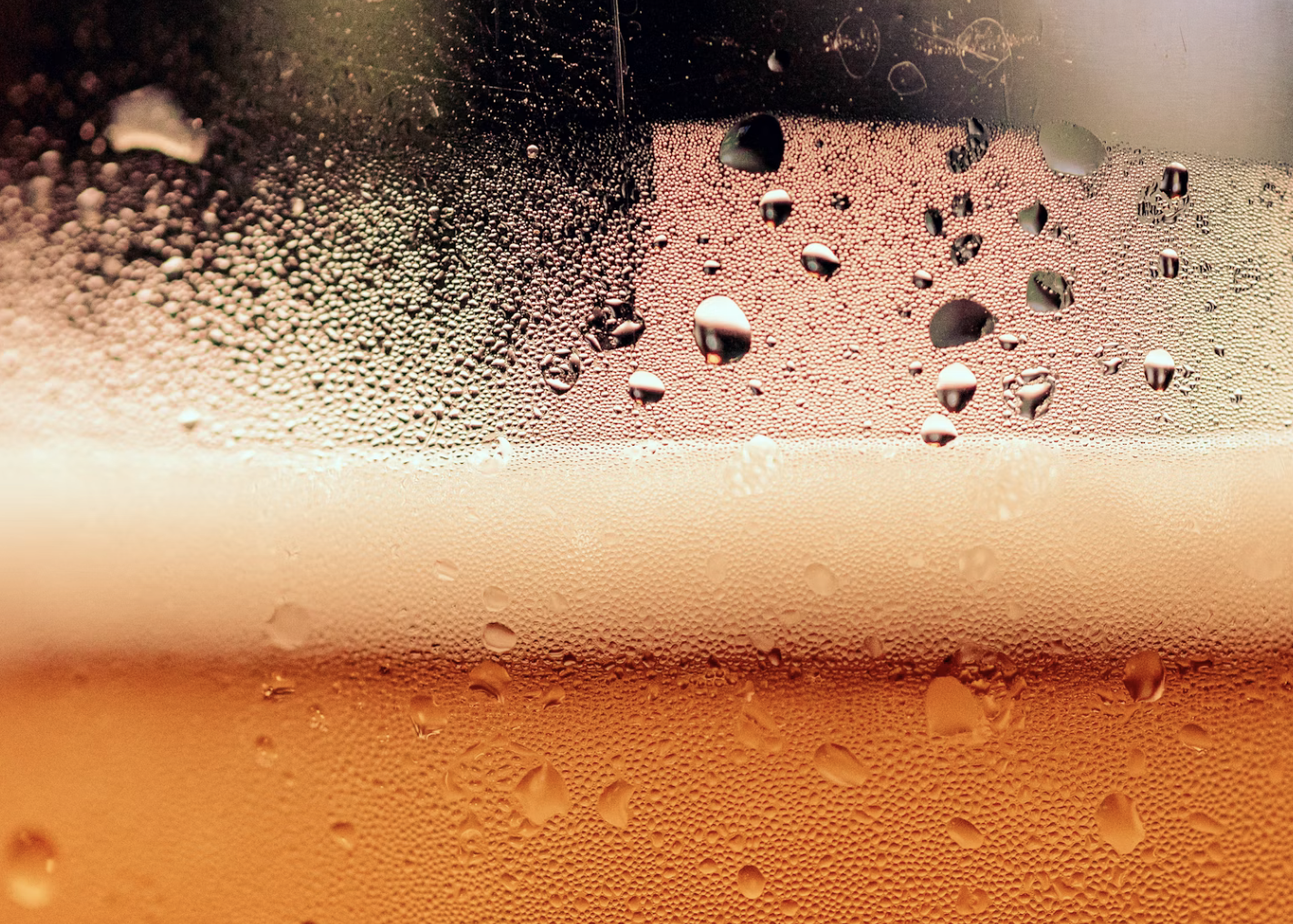
Great beer isn’t just brewed; it is engineered from geology! The world’s iconic beer styles were born from local mineral profiles:
-
Burton-on-Trent, UK: High-calcium, high-sulfate groundwater created world-famous, crisp, punchy IPAs.
-
Plzeň, Czech Republic: Extremely soft water birthed the delicate, clean Pilsner lager.
Water chemistry matters more than people think when it comes to flavor profiles of your beer. Let’s talk about how some minerals interact and change the chemistry of your brew.
Part 1: Calcium—The Workhorse Ion of the Mash
As documented by the American Homebrewers Association, calcium is the ultimate functional ion in brewing chemistry:
-
Mash pH Control: Interacts with malt phosphates to naturally lower mash pH into the ideal 5.2–5.6 window.
-
Enzyme Protection: Thermally stabilizes -amylase enzymes responsible for converting starches into fermentable sugars.
-
Hot Break & Clarity: Promotes protein coagulation during the boil, leading to crystal-clear finished beer and healthy yeast flocculation.
Part 2: What the Science Says—Hard vs. Soft Water in Brewing
Does this chemistry make a measurable difference in the glass? Controlled brewing trials say yes!
In a 2019 study published in the Slovak Journal of Food Sciences, scientists brewed parallel batches of bottom-fermented pale lager using identical ingredients, varying only the water chemistry (model hard water vs. model soft water). The laboratory findings revealed the undeniable impact of dissolved water minerals:
-
Higher Original Gravity: Hard water acted as a superior extraction buffer, achieving significantly higher original gravity (extract yield) from the malt.
-
Elevated B-Vitamin Retention: Finished lager brewed with hard water retained higher concentrations of essential B vitamins due to enhanced enzyme activity and yeast protection.
-
Flavor Stability: Key flavor components like iso--acids remained balanced across both test waters, proving that mineral presence supports mash efficiency without compromising hop profiles.
The Brewhouse Dilemma: Protecting Equipment Without Losing Minerals
Hot liquor tanks, heat exchangers, and boiler tubes operate under extreme heat—making them magnetic targets for severe scale accumulation.
Historically, breweries installed conventional salt-based water softeners. But stripping all minerals leaves brewers with flat, lifeless water that requires costly chemical re-mineralization down the line. Conventional softeners force you into an endless cycle of removing natural minerals only to dose them back in manually.
The Solution for Craft Brewers
ScaleStop TAC Media
ScaleStop Template-Assisted Crystallization (TAC) delivers the exact balance craft brewers need.
Instead of removing calcium and magnesium, ScaleStop TAC utilizes specialized media to transform dissolved hardness ions into microscopic, suspended mineral crystals. These micro-crystals float harmlessly through your hot liquor tanks and heat exchangers without sticking to heating coils or pipe walls.
In benchmark studies led by Arizona State University (ASU) for the WateReuse Research Foundation, the TAC technology in NEXT ScaleStop achieved over an 88% reduction in scale formation in high-temperature heating protocols.
Work smarter, not harder! ScaleStop TAC targets the scaling mechanism directly while leaving the natural mineral character of your brewing water completely intact. Preserve extract efficiency, protect your heating equipment, and keep your recipe chemistry rock-solid in one easy step.
Sources & References
-
Punčochářová, L., et al. (2019). Study of the influence of brewing water on selected analytes in beer.Potravinarstvo Slovak Journal of Food Sciences, 13(1), 475–482.
-
American Homebrewers Association (AHA). Water Chemistry & Mineral Profile Standards for Brewing.
-
Fox, P., Wiest, M., Thomure, T. M., & Lee, W. (2014). Evaluation of Alternatives to Domestic Ion Exchange Water Softeners. WateReuse Research Foundation Project 08-06, Arizona State University/HDR.