Template Assisted Crystallization for Scale Prevention
Hard water is not “bad water.” In many cases, it is mineral-rich water containing calcium and magnesium. The problem begins when those minerals form hard calcium carbonate scale on surfaces, especially where water is heated or evaporated.
Traditional softeners solve this by removing calcium and magnesium through ion exchange. That process can reduce scale, but it also requires salt, regeneration cycles, and brine discharge. Template-assisted crystallization, or TAC, takes a different approach.
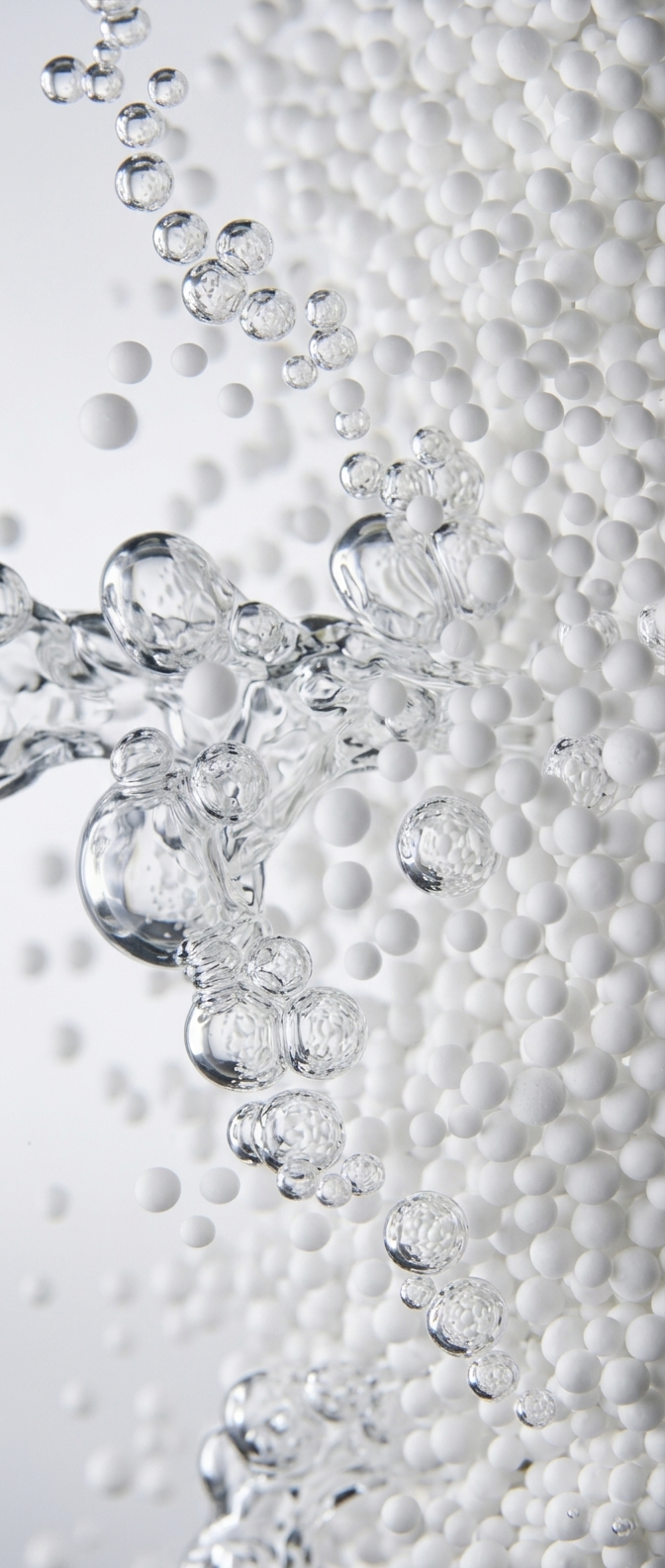
TAC does not remove hardness minerals. Instead, it changes how scale-forming minerals behave. As hard water passes through TAC media, dissolved calcium carbonate is encouraged to form microscopic crystals. These crystals remain suspended in the water rather than attaching as hard scale to pipes, heating elements, and surfaces. The WateReuse Research Foundation describes this type of physical treatment as converting soluble calcium into microscopic calcium carbonate crystals that provide a preferred surface for crystal growth, helping prevent scale from forming on equipment surfaces.
THAT DISTINCTION MATTERS
TAC is not a salt-based softener. It is a scale-control technology. The water still contains calcium and magnesium, but those minerals are less likely to create hard, attached scale.
For homes, restaurants, coffee equipment, hospitality properties, and light commercial applications, TAC offers a practical middle ground: reduce scale problems without adding salt, without wasting water, and without stripping the water of beneficial minerals.
Key Takeaway
ScaleStop TAC is designed for people who want scale protection without the salt, brine, and mineral removal associated with conventional softening.